
Journey & interface planning
Work through key tasks, navigation, information hierarchy and user friction points.
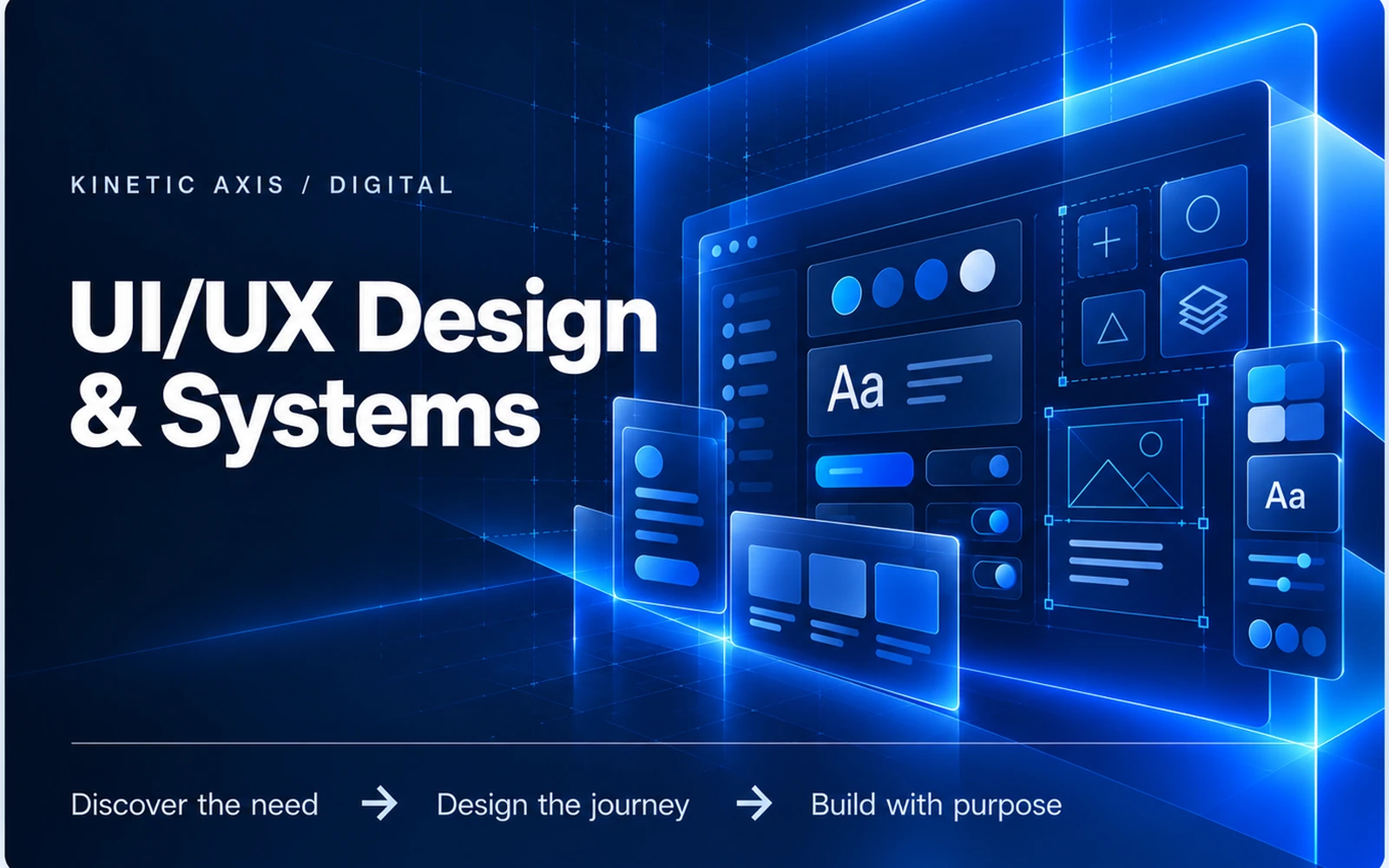
Strong digital products need both clarity and character. We design interfaces that help users complete tasks, and visual systems that keep products coherent as they grow.
We bring product thinking, interface design and component structure together. That includes finding the clearest path through a complex workflow, establishing visual rules and creating repeatable UI patterns so new screens feel like part of the same product.
Teams designing a new product, improving difficult workflows, or building multiple tools that should share one consistent visual language.
We work from the problem and the people using the product, so the scope and technical approach suit what you actually need.
See how we workSpecific deliverables are agreed during discovery, but these are the building blocks we typically explore.
Work through key tasks, navigation, information hierarchy and user friction points.
Explore layouts and interactions before they become expensive to change.
Define typography, spacing, states, colours and responsive patterns.
Create consistent form, navigation, content and data-display patterns as required.
Collaborative throughout. We keep design decisions connected to the goals of the project and the people using it.
Clarify user groups, their goals and where the current experience creates friction.
Prototype flows, review layouts and settle reusable design decisions.
Document patterns and connect interface design to the development workflow.
Examples from Kinetic Axis Digital projects, with screenshots and an explanation of the experience behind them.
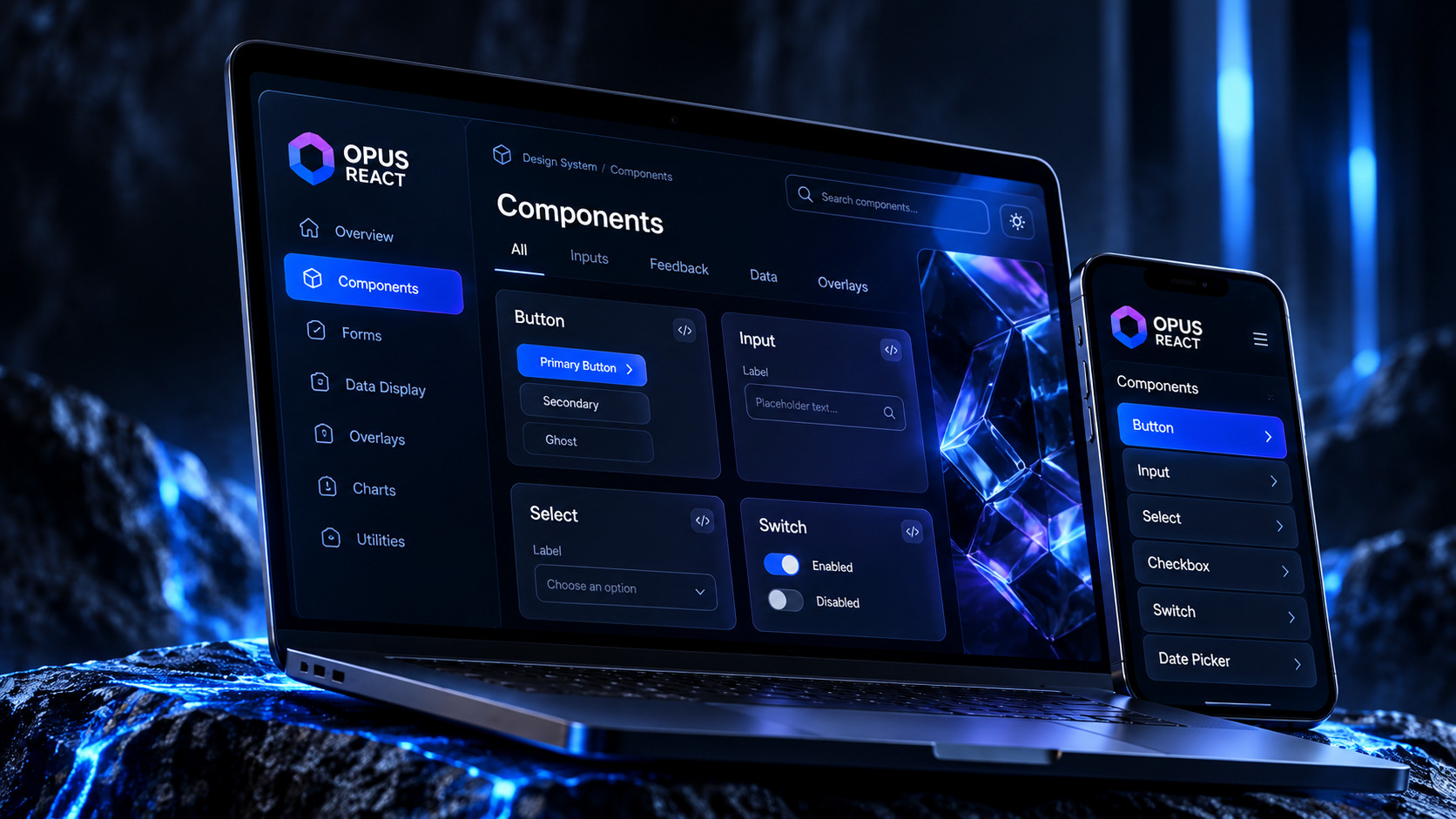 Selected projectOPUS ReactA reusable component-led design system · Explore case study
  Selected projectVeyra StudioClear interaction design for a creative workspace · Explore case study
 The work shown illustrates design and product experience; individual project requirements and delivery scopes vary.
UX concerns the overall experience and tasks; UI focuses on the visual and interactive details through which people use the product.
A shared set of components and rules can make product interfaces more consistent and reduce repeated design decisions as a product expands.
Yes. We can review existing journeys and component patterns and plan improvements without requiring a complete replacement.
Tell us the challenge and what you're hoping to create. We can explore the next step together.