
Product & user journeys
Map the different user types, tasks and permissions the application needs.
A useful web application turns a browser into a practical working product: helping people book, manage, create, collaborate or act on information.
We build web applications with a focus on the tasks people actually need to complete. From authentication and tailored user journeys to dashboards, data views and integrations, the goal is a coherent product rather than a collection of disconnected screens.
Product teams, startups and organisations planning a customer portal, booking flow, internal management tool or new subscription-based application.
We work from the problem and the people using the product, so the scope and technical approach suit what you actually need.
See how we workSpecific deliverables are agreed during discovery, but these are the building blocks we typically explore.
Map the different user types, tasks and permissions the application needs.
Design responsive, interactive screens for real workflows.
Plan the API, data storage and integration approach for the product.
Prioritise a useful first version and scope subsequent improvements.
Collaborative throughout. We keep design decisions connected to the goals of the project and the people using it.
Agree the core interactions and what each type of user needs to achieve.
Create and review the important flows before building out the full interface.
Connect frontend, backend and data, then test the experience as a whole.
Examples from Kinetic Axis Digital projects, with screenshots and an explanation of the experience behind them.
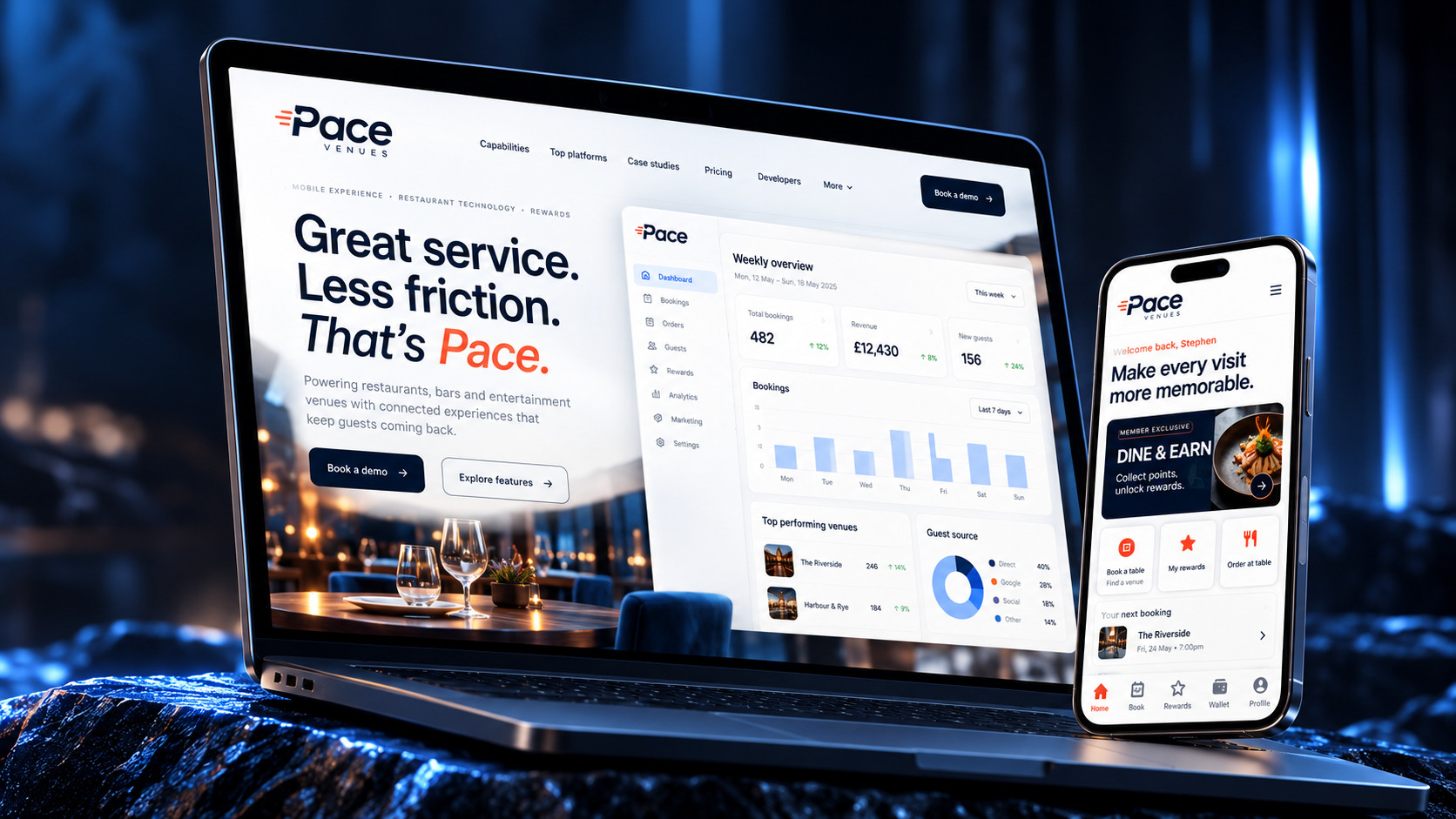 Selected projectPace VenuesManagement tools alongside the guest app · Explore case study
 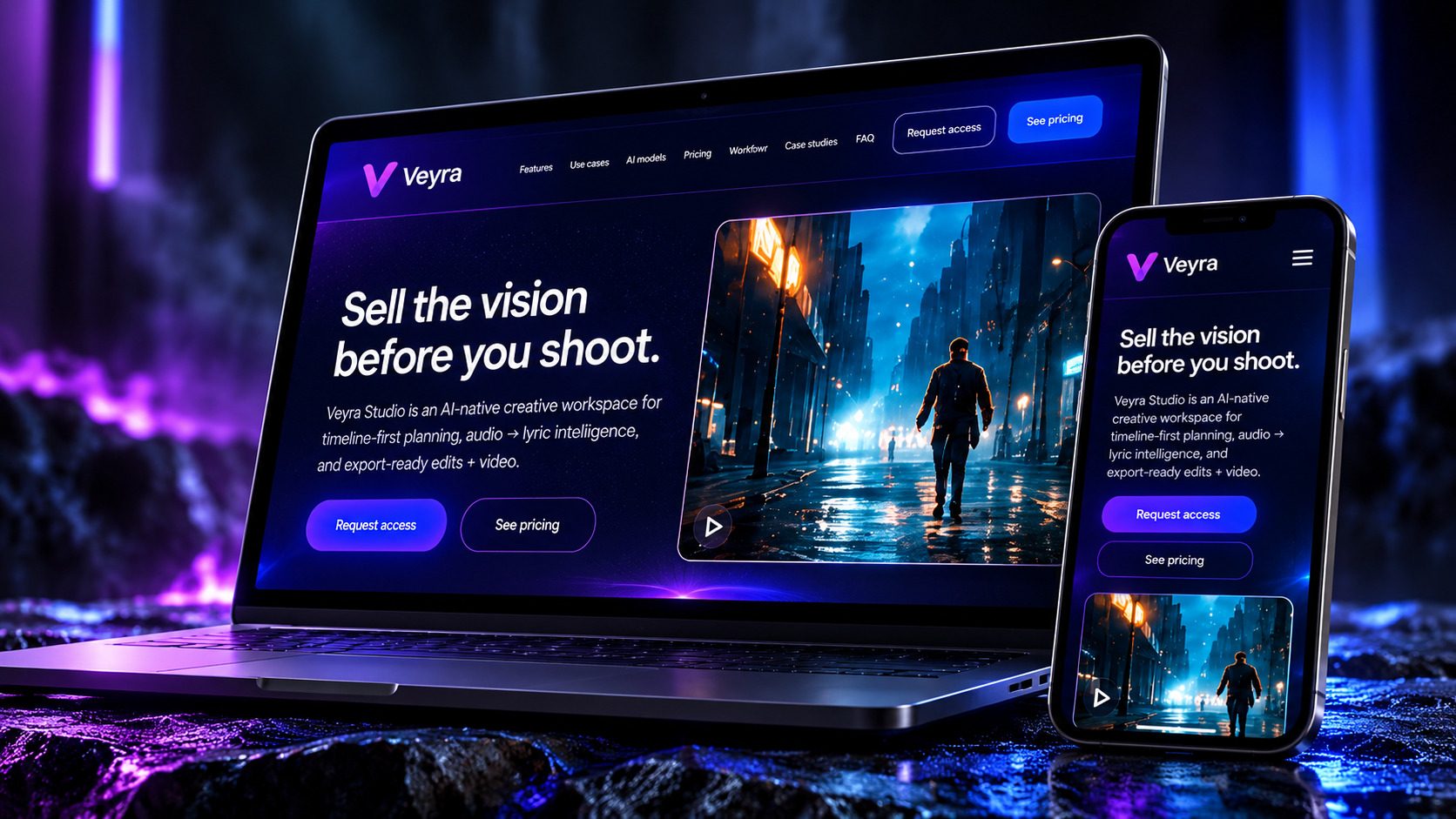 Selected projectVeyra StudioA creative workspace for planning video · Explore case study
 The work shown illustrates design and product experience; individual project requirements and delivery scopes vary.
A website typically presents information, while a web app lets users perform actions and manage information, often using accounts and data.
Yes. Responsive interfaces can support mobile browsers, though a dedicated mobile app may be appropriate for features needing platform-specific capabilities.
Yes. We can identify the minimum useful feature set and plan additions once the first release is in use.
Tell us the challenge and what you're hoping to create. We can explore the next step together.