LEGACY SYSTEM MODERNISATION
Modernise what matters without throwing everything away.
A pragmatic route from ageing internal software, fragile integrations or difficult-to-change applications toward a maintainable product that supports the business now and next.
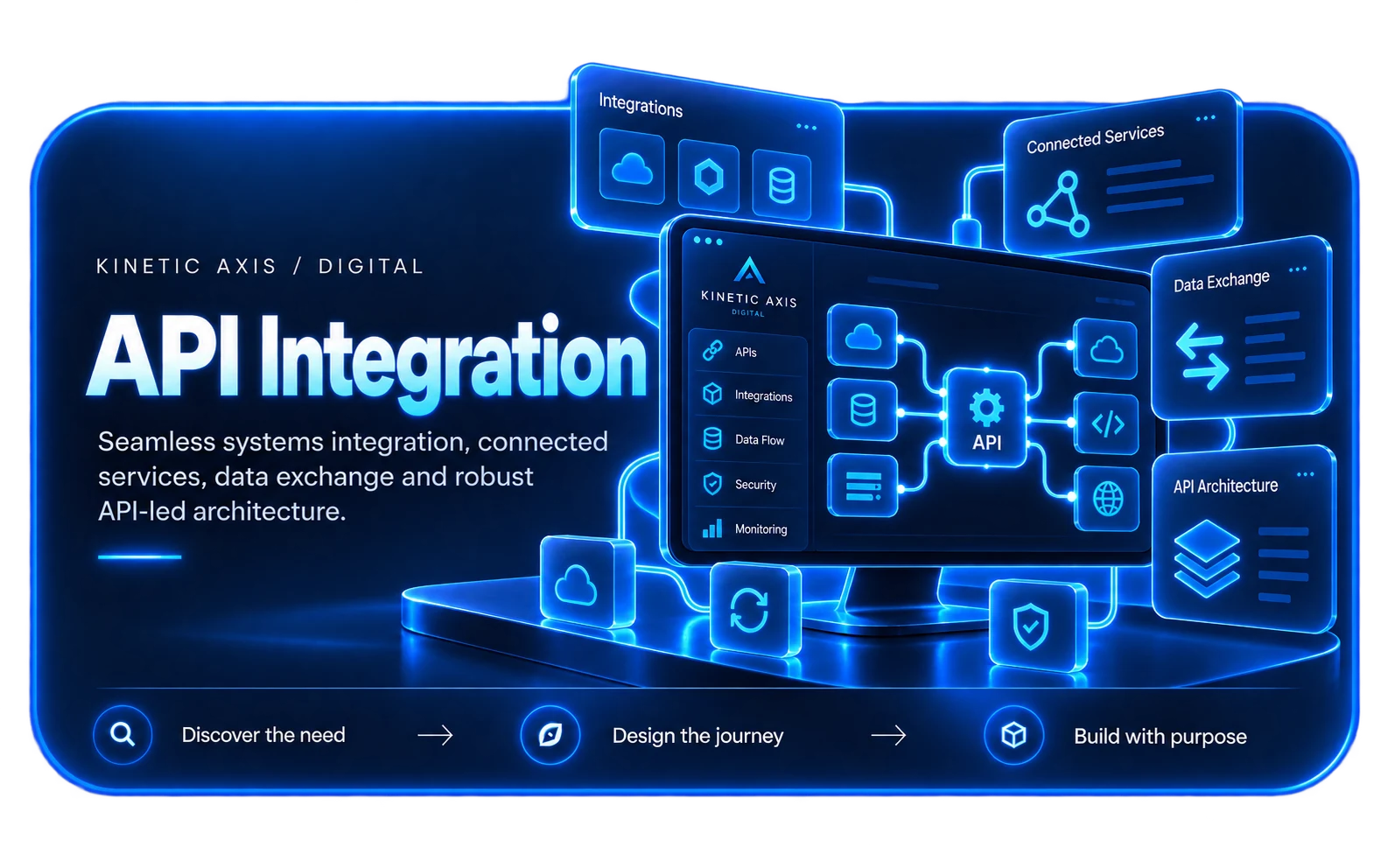
CHANGE WITHOUT A BIG-BANG REWRITE
The safest modernisation plan starts by understanding why the existing system still matters.
Legacy software often survives because it contains years of business knowledge, exceptions and operational dependency. Replacing it blindly can remove the very things that made it useful.
We identify the areas creating the most risk or friction, understand the surrounding data and integrations, then choose a staged route forward. That might mean a new interface over existing services, extracting an API, replacing one workflow at a time or building a new platform alongside the old one.
How we design and buildMODERNISATION OPTIONS
Different systems need different migration strategies.
The aim is not modern technology for its own sake. It is lower risk, easier change and a better product for the people who rely on it.
Interface renewal
Replace difficult or inconsistent screens while preserving reliable underlying services where that is the lower-risk choice.
API extraction
Create clear service boundaries around legacy capabilities so newer products can integrate without depending on old interfaces.
Workflow replacement
Move high-friction processes into modern applications incrementally rather than attempting one enormous cut-over.
Data & migration planning
Understand ownership, quality, dependencies and migration rules before changing the systems that rely on critical business data.
WARNING SIGNS
When the cost of standing still starts to exceed the cost of change.
Legacy problems show up as operational friction long before a system completely fails.
Changes feel dangerous
Small feature requests require disproportionate testing because nobody is confident about the side effects.
Knowledge is concentrated
Only a small number of people understand how important workflows or integrations really operate.
The interface slows teams down
The system still works, but outdated journeys create training overhead, errors or unnecessary manual steps.
Integration is difficult
New products need data from the old system, but brittle connections make every integration expensive and risky.
HOW WE APPROACH IT
Make the workflow clear before the software gets complicated.
We start with users, operations and outcomes, then design the smallest coherent system that can grow with the business.
Map dependencies
Document users, workflows, data stores, integrations and the parts of the legacy product that remain valuable.
Prioritise risk and value
Choose the first boundary where modernisation reduces meaningful operational risk or creates immediate product value.
Create an incremental route
Use APIs, parallel workflows or staged migrations so change can be tested without betting the whole operation on one release.
Retire deliberately
Decommission legacy capabilities only when the replacement is proven, data is accounted for and dependent teams are ready.
RELEVANT WORK
Experience behind the recommendation.
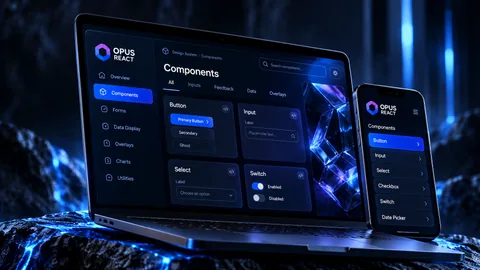
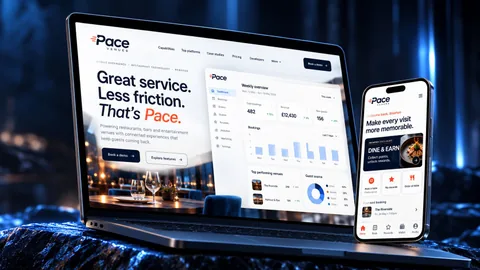
Selected work showing the same kind of product, workflow or platform thinking in practice.
RELATED EXPERTISE
Connected problems usually need connected thinking.
These related capabilities often sit alongside the work on this page.
EXPLORE
Business software development
Design the modern operational platform that replaces legacy workflows.
View capability EXPLOREAPI & systems integration
Create dependable integration boundaries between old and new systems.
View capability EXPLOREAdmin dashboard development
Modernise operational interfaces around the tasks teams actually perform.
View capabilityCOMMON QUESTIONS
Useful things to know.
Do we have to rewrite the whole system?
No. A staged approach is often safer. We can modernise a user interface, workflow or integration boundary first and preserve stable parts until there is a clear reason to replace them.
Can you work with an undocumented legacy application?
Yes, although discovery becomes more important. We use the running system, existing users, data structures and available code or documentation to reconstruct how the important workflows behave.
How do you reduce migration risk?
By defining boundaries, testing data and workflows early, keeping rollback options where practical and avoiding a single cut-over unless the system genuinely requires it.
Can modernisation happen while the old system remains live?
Often, yes. Parallel operation, APIs and staged workflow migration can allow new capabilities to be introduced while the existing system continues to support the business.
Can you maintain WordPress or another CMS before we migrate?
Yes. If the current platform is still supporting the business, we can maintain and improve it while planning the next step. A migration can then be staged around content, data, integrations, SEO-critical URLs and operational risk rather than forcing an unnecessary big-bang rebuild.
Who will I work with?
Kinetic Axis projects are senior-led. Discovery, product decisions and engineering direction stay close to the people doing the work, with direct communication throughout the project.
What happens after launch?
The post-launch model is agreed around the product. Handover, hosting responsibilities, documentation, monitoring, support and further development can be planned before release so there is a clear next step.
WORKING WITH KINETIC AXIS
Senior thinking stays close to the work.
Good delivery is not just the build. It is making the important decisions visible, agreeing responsibilities early and keeping the product useful after launch.
Direct technical and product input
Discovery, design and engineering decisions stay close to the people doing the work rather than passing through layers of account management.
Clarity before commitment
We work through users, workflows, integrations and risk before turning a broad idea into a technical commitment.
Responsibilities agreed up front
Handover, hosting, support, documentation and ongoing development are discussed as part of the project rather than left until launch week.
Useful after launch day
Decisions are made with maintainability, real users and future change in mind — not just how the first release looks in a presentation.
START A CONVERSATION
Need a safer route away from software that is hard to change?
Tell us what people need to do, where the friction is today and what a better result would look like.