WHITE-LABEL APP DEVELOPMENT
One product foundation. Multiple branded experiences.
White-label mobile and digital products designed for organisations that need shared functionality with distinct branding, configuration, content or tenant data.
REUSE WITHOUT LOOKING GENERIC
White-label architecture is a product strategy, not just a logo switch.
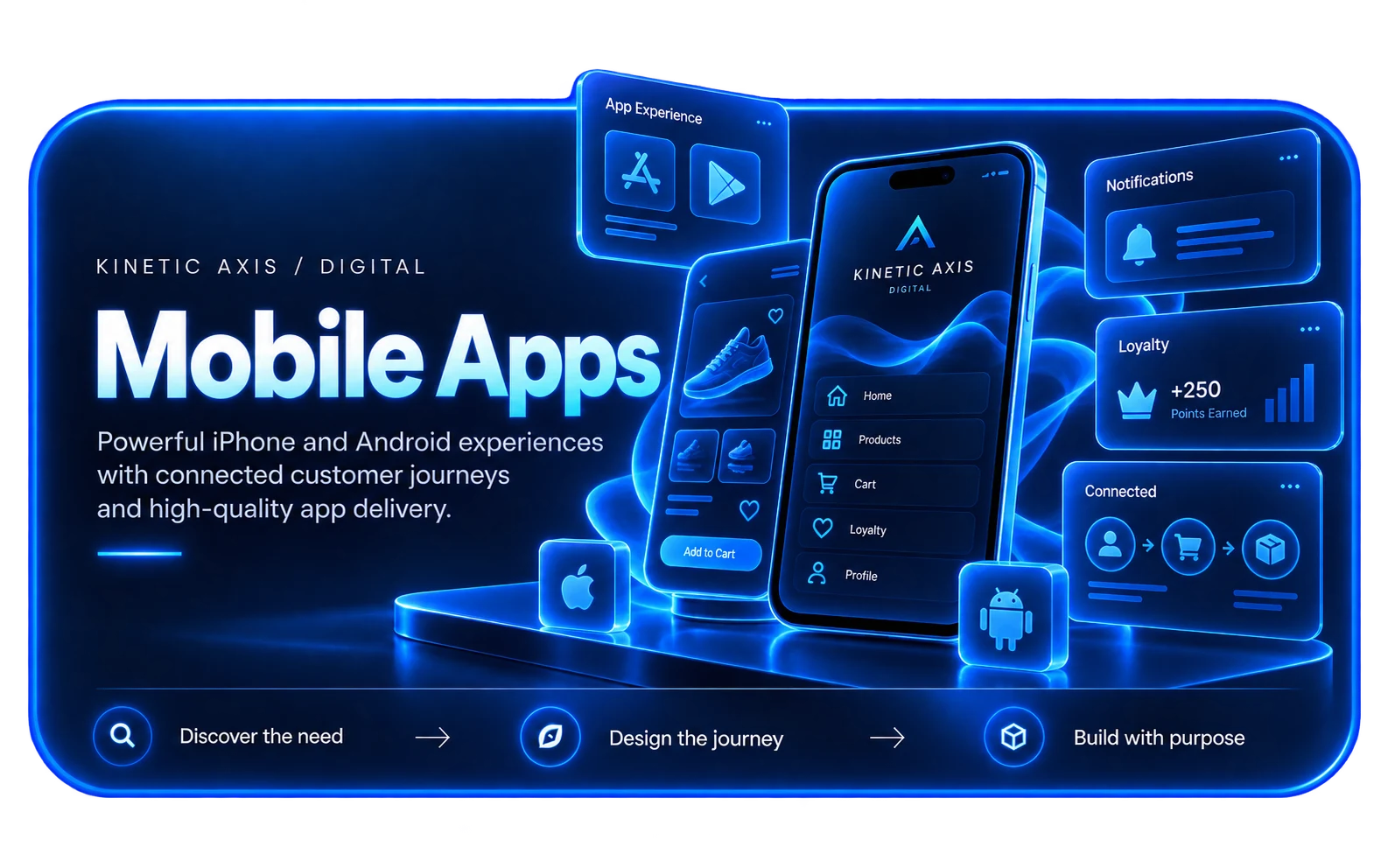
The efficiency comes from sharing the expensive parts — product logic, APIs, core journeys and maintenance — while allowing each branded experience to feel appropriate to the organisation customers recognise.
That requires clear decisions about what is shared, what can vary and how releases are managed. We design those boundaries into the product architecture so adding a brand does not become a manual fork of the whole application.
How we design and buildWHITE-LABEL FOUNDATIONS
Shared where it should be. Configurable where it matters.
The product needs a controlled way to vary brand, content and behaviour without creating a maintenance problem.
Brand configuration
Logos, colour systems, app naming, imagery and other presentation choices managed without duplicating core product logic.
Tenant configuration
Venue, organisation or customer-specific settings, content and features kept distinct within a maintainable platform model.
Shared product core
Common journeys, APIs and business logic developed once so improvements can benefit the wider product family.
Release strategy
A practical approach to app-store builds, configuration, testing and updates across multiple branded experiences.
WHERE IT FITS
White-label products work best when the core need repeats.
The model is strongest when several organisations need fundamentally the same product, but customers still expect to see the brand they already trust.
Hospitality groups
Individual venues or brands can present their own guest experience while sharing booking, loyalty and operational foundations.
Membership organisations
Partners or local organisations can provide a branded app around a common set of membership services.
Franchise networks
Locations can vary content and identity without each franchise becoming a separate software product.
B2B platforms
A software provider can offer branded customer instances while maintaining one controlled product roadmap.
HOW WE APPROACH IT
Make the workflow clear before the software gets complicated.
We start with users, operations and outcomes, then design the smallest coherent system that can grow with the business.
Define the shared core
Separate genuinely common workflows from the things each brand or tenant needs to control.
Design the configuration model
Create explicit rules for brand assets, content, features, integrations and data boundaries.
Build automation in early
Reduce manual build and release steps so additional brands do not multiply operational effort.
Govern product evolution
Keep shared functionality moving forward without breaking tenant-specific needs or creating permanent forks.
RELEVANT WORK
Experience behind the recommendation.
Selected work showing the same kind of product, workflow or platform thinking in practice.
RELATED EXPERTISE
Connected problems usually need connected thinking.
These related capabilities often sit alongside the work on this page.
EXPLORE
Mobile app development
Design and build the iOS and Android experience behind each branded app.
View capability EXPLORESaaS product development
Create a shared product platform that can serve multiple organisations.
View capability EXPLOREHospitality software development
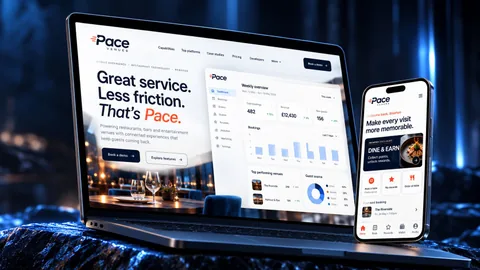
Explore white-label possibilities for venues, groups and guest experiences.
View capabilityCOMMON QUESTIONS
Useful things to know.
What does white-label app development mean?
It means building a shared product that can be presented under different customer or partner brands. The exact level of variation can include branding, content, features, integrations and tenant data.
Can each brand have its own App Store listing?
That can be part of the release strategy. The technical and commercial setup needs to account for app-store policies, build configuration and how each branded application is maintained over time.
Does every customer need a separate codebase?
Usually no. The goal is to share the core code and product logic while driving approved differences through configuration, build settings or tenant data.
Can white-label apps share one back-office platform?
Yes. A multi-tenant management platform can support separate organisations while central product controls and shared functionality remain manageable.
Who will I work with?
Kinetic Axis projects are senior-led. Discovery, product decisions and engineering direction stay close to the people doing the work, with direct communication throughout the project.
What happens after launch?
The post-launch model is agreed around the product. Handover, hosting responsibilities, documentation, monitoring, support and further development can be planned before release so there is a clear next step.
WORKING WITH KINETIC AXIS
Senior thinking stays close to the work.
Good delivery is not just the build. It is making the important decisions visible, agreeing responsibilities early and keeping the product useful after launch.
Direct technical and product input
Discovery, design and engineering decisions stay close to the people doing the work rather than passing through layers of account management.
Clarity before commitment
We work through users, workflows, integrations and risk before turning a broad idea into a technical commitment.
Responsibilities agreed up front
Handover, hosting, support, documentation and ongoing development are discussed as part of the project rather than left until launch week.
Useful after launch day
Decisions are made with maintainability, real users and future change in mind — not just how the first release looks in a presentation.
START A CONVERSATION
Planning one product that needs to serve several brands?
Tell us how brands, tenants, data and distribution need to differ while the product stays maintainable underneath.